

Intro
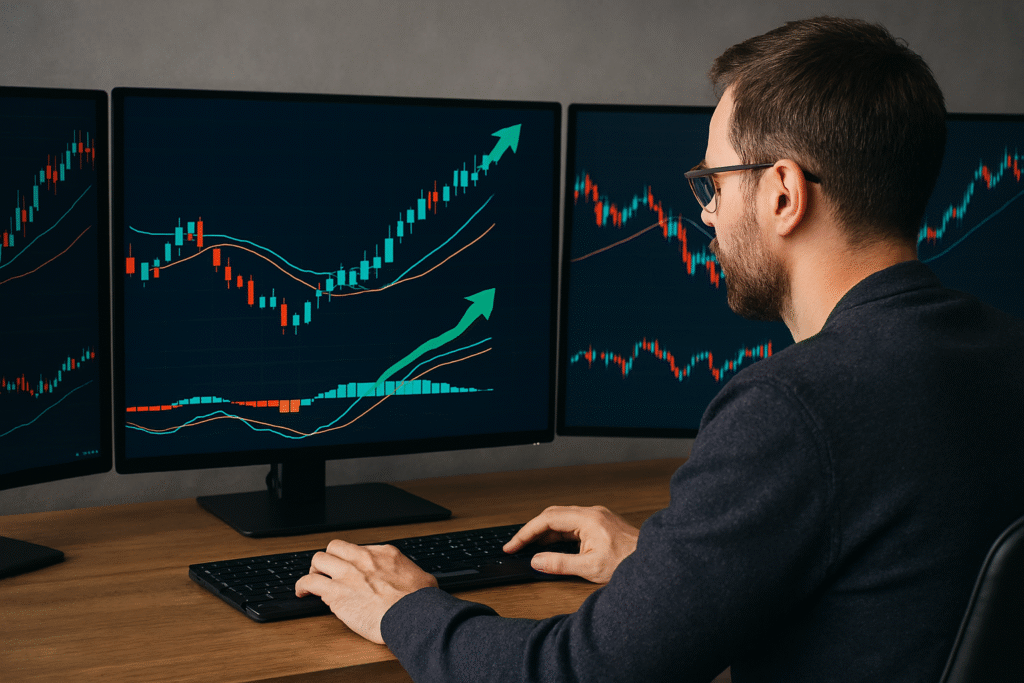
The stock market is one of the most exciting places to build wealth. Every day, thousands of new traders open accounts with the dream of making quick profits. For many, trading feels like an easy path to financial freedom.
At first, the process looks simple. Buy a stock at a low price, sell it at a higher price, and make money. But once beginners actually step into the market, they realize it is far more complex than it appears.
The harsh truth is that most new traders lose money within their first year. It’s not because the stock market is unfair, but because beginners usually enter unprepared. They follow random tips, copy social media hype, and trade without a clear plan. This lack of knowledge almost always leads to losses.
Another common reason why new traders lose money is emotions. Fear, greed, and impatience influence decisions. Some exit winning trades too early, while others hold on to losing trades for too long. Overtrading makes the situation worse.
The good news? These mistakes can be avoided. By understanding why beginners fail, you can prepare better. With patience, discipline, and the right mindset, anyone can turn trading into a skill instead of a gamble.
New Traders Mistakes
Stepping into the stock market is always exciting, but for beginners, the journey is rarely smooth. Most people enter trading with the dream of quick profits, but soon realize that the reality is far more challenging. In fact, a majority of losses come not from the market itself, but from repeated beginner errors. These new traders mistakes often include overtrading, ignoring risk management, following random tips, and letting emotions control decisions.
What makes these mistakes dangerous is that they look harmless in the beginning. A single trade without a stop-loss or one impulsive entry may not seem like a big deal, but over time they pile up and drain your capital. By understanding the most common mistakes new traders make, you can protect yourself and build a stronger foundation for long-term success in trading. Avoiding these errors is the first step towards becoming a consistent trader. (Trading apps Groww,Angel one,
1. Overtrading
Among the most dangerous new traders mistakes, overtrading easily takes the top spot. When beginners first step into the stock market, they get carried away by the constant price movements on the screen. Every rise and fall looks like an opportunity to make money, and the fear of missing out pushes them to enter trade after trade. This habit doesn’t just drain their capital—it also exhausts them mentally.
Overtrading happens because new traders think activity equals profit. They believe that by taking multiple trades in a day, chances of winning will increase. But the reality is the opposite. Every unnecessary trade adds more brokerage fees, taxes, and hidden charges, which silently eat into profits. On top of that, frequent trading invites emotional decisions. After a loss, beginners often try to “recover quickly” by entering another random trade, which usually results in even bigger losses.
The truth is, successful traders don’t trade all the time—they wait. A professional trader might take only one or two trades a day, or sometimes even skip trading when no good setup appears. Instead of chasing every small move, they focus only on high-probability opportunities where the risk-to-reward ratio is in their favor. If you are starting out, remember this: the stock market is open every day. You don’t need to catch every candle or every move. Train yourself to be patient, create a clear trading plan, and avoid the trap of overtrading. Fewer, smarter trades will grow your account much faster than random trades taken out of fear or excitement.
2. No Risk Management
If overtrading is a dangerous habit, then trading without risk management is a direct ticket to failure. Among the most costly new traders mistakes, ignoring risk is the one that wipes out accounts faster than anything else. Many beginners put all their money into a single trade, believing confidence is enough to guarantee success. But the stock market doesn’t reward confidence; it rewards preparation and discipline.
The problem is simple: beginners focus only on profits and ignore losses. They imagine how much they could make if the trade goes right, but they rarely ask themselves, “What if this trade goes wrong?” Without a stop-loss, one bad move in the market can eat up weeks or even months of profit in just minutes. That’s why professional traders always decide their risk before they enter a position.
Risk management is not about avoiding trades it’s about controlling losses so that no single trade can destroy your account. A good rule is to risk only 1–2% of your capital in one trade. This way, even if you are wrong five times in a row, you still have enough money left to trade another day.
New traders must understand that surviving in the market is more important than winning big in one shot. If you protect your capital and respect stop-losses, you give yourself the chance to learn, grow, and eventually profit. Remember, the market is unpredictable, but your risk is always in your control.
3. Following Tips and Rumors
Another classic example of new traders mistakes is blindly following tips and rumors. When beginners first enter the stock market, they often feel lost. Instead of learning how to analyze stocks on their own, they look for shortcuts. This is where tips from friends, social media groups, or random “market experts” come into play. At first, these tips might even give small profits, which builds false confidence. But sooner or later, one wrong call is enough to cause a heavy loss.
The problem with tips is simple: they are not based on your own research, and you don’t know the logic behind them. Most of the time, such information spreads late, after the real opportunity has already passed. By the time a beginner enters, the stock is already overbought, and when the price reverses, they are stuck with losses. Rumors work the same way news without proof creates hype, and beginners jump in thinking they’ll catch the move, only to watch their capital shrink. If you analysis news money control
Professional traders don’t trade based on hearsay. They rely on strategies, technical charts, and risk management. The difference is that they know why they are entering a trade and when they will exit, whether in profit or loss. Beginners who depend only on others will never gain that clarity. If you want to succeed in trading, stop relying on tips and start building your own system. Learn chart patterns (Tradingview), understand indicators, and study company fundamentals if you’re trading equities. Once you gain confidence in your own analysis, you’ll never feel the need to chase random calls again.
4. Emotional Trading
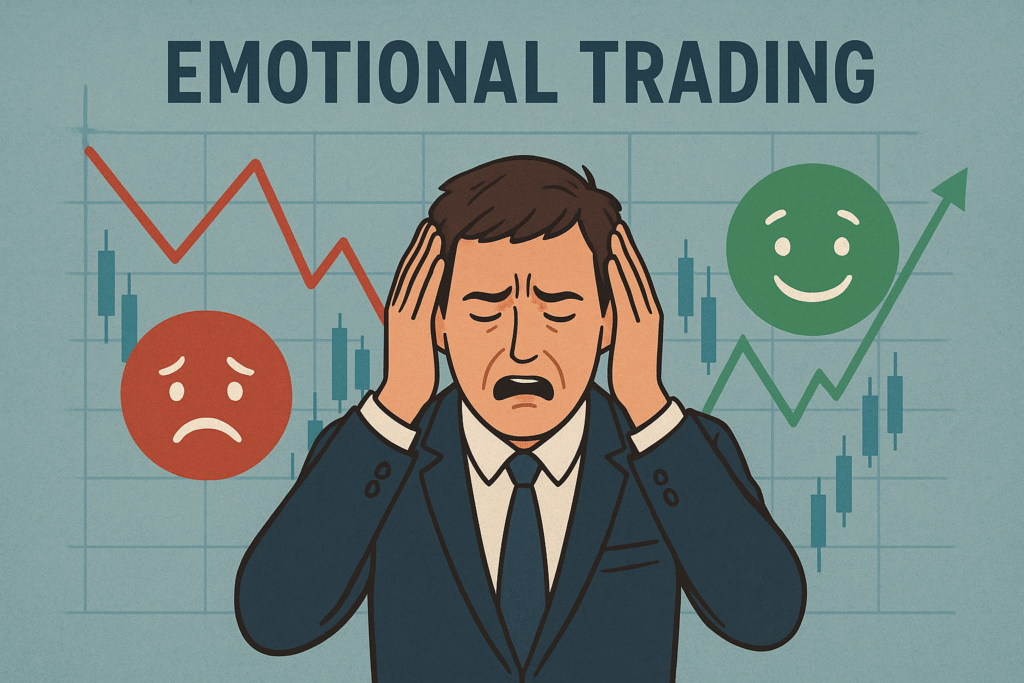
Among all the new traders mistakes, emotional trading is the one that silently destroys most accounts. The stock market is not just about charts and numbers—it’s also a battle of psychology. Beginners usually underestimate this. They believe that once they learn a few strategies, profits will automatically come.
\ But when real money is on the line, fear and greed often take control, leading to bad decisions. Fear shows up when a trader is holding a profitable position but exits too early, worried that the price might fall. Greed takes over when a trader sees a small loss but refuses to exit, hoping the stock will bounce back. Impatience makes them jump into random trades just to feel “active” in the market. And after a loss, frustration leads to revenge trading, where they try to win back money quickly—usually ending in even bigger losses.
Professional traders, on the other hand, control their emotions by sticking to a system. They don’t enter trades because of excitement, and they don’t hold on to losers out of hope. Their decisions are based on logic and strategy, not temporary feelings. For beginners, the solution is to accept that emotions will always be there, but discipline must be stronger. Setting clear rules, using stop-loss, and limiting trade size can reduce emotional pressure. Keeping a trading journal also helps identify patterns in emotional mistakes. Remember, the market rewards patience and discipline, not impulsive reactions. If you can master your emotions, you will already be ahead of most new traders.
5. Lack of Knowledge
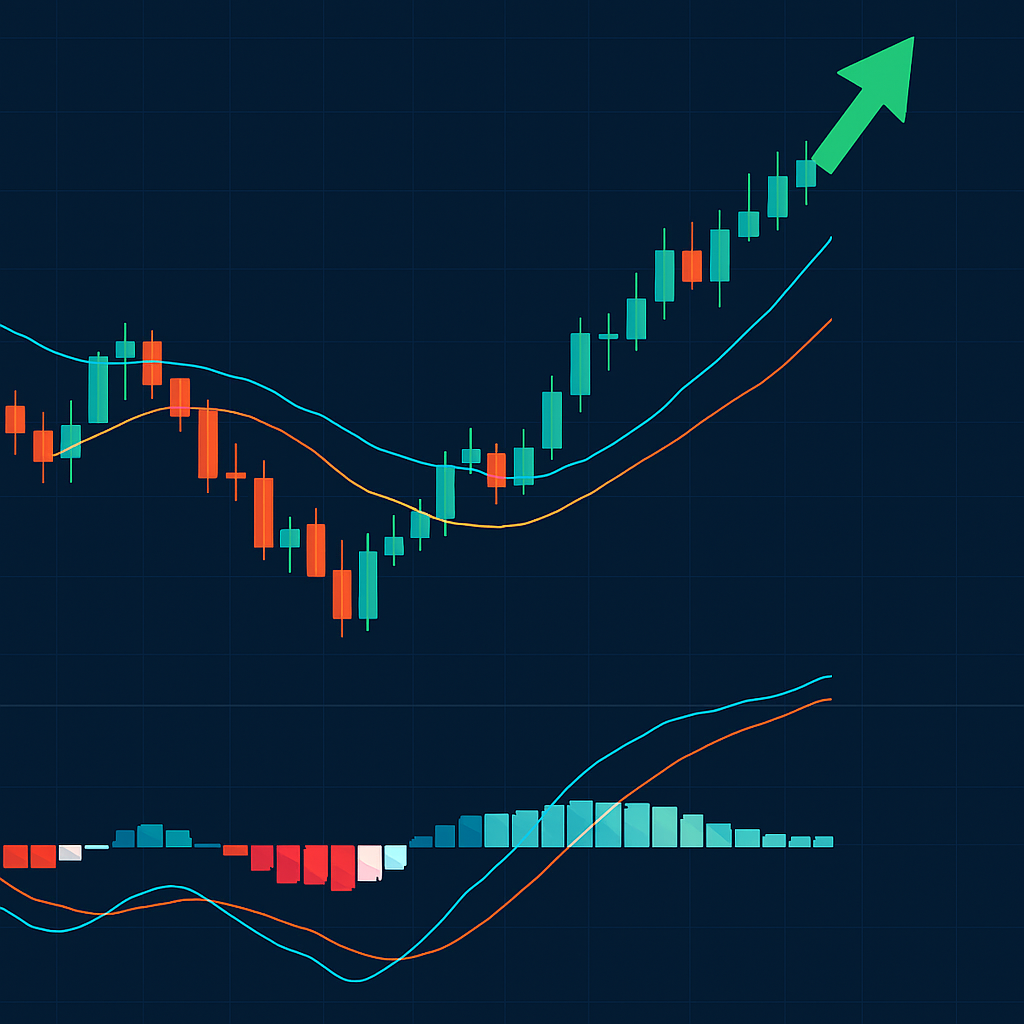
One of the most overlooked new traders mistakes is entering the stock market without proper knowledge. Many beginners believe trading is as simple as buying low and selling high, but in reality, the market is far more complex. Without understanding how price movements work, what drives demand and supply, or even how to read a basic candlestick chart, beginners end up making blind decisions. This lack of knowledge almost always results in losses.
Most new traders skip the learning phase because they want quick profits. They see others posting screenshots of big gains online and assume trading doesn’t require much effort. As a result, they jump into intraday or options trading without studying technical analysis, risk management, or even how brokerage charges affect their trades. This is like entering a battlefield without knowing how to use your weapons.
Successful traders spend time learning before risking money. They study chart patterns, indicators, support and resistance, and most importantly, trading psychology. They also understand the basics of money management and the importance of discipline. Beginners who ignore this foundation get trapped in cycles of loss and frustration, while those who invest in learning build strong skills that serve them for life. If you are serious about trading, treat knowledge as your first investment. Read books, take courses, practice with paper trading, and slowly build your confidence. The more you learn, the more control you’ll have over your trades. In the stock market, lack of knowledge is costly, but knowledge itself pays the best returns.
6. Chasing Quick Profits
One of the biggest new traders mistakes is entering the stock market with the mindset of becoming rich overnight. Many beginners see trading as a shortcut to wealth, where a few quick trades can double their money. This belief is heavily fueled by social media, where screenshots of huge profits are shared without showing the losses behind them. As a result, new traders chase fast money instead of focusing on consistent growth.
The danger of chasing quick profits is that it changes trading into gambling. Beginners ignore proper analysis and jump into trades purely on excitement. They take oversized positions, hoping one big win will solve everything. Sometimes, they may get lucky and make small profits, but this only builds overconfidence. Eventually, one wrong trade wipes out all previous gains, leaving them frustrated and demotivated. Successful traders know that wealth in the market is built slowly. They don’t expect miracles from a single day of trading. Instead, they focus on small, steady returns that compound over time. They understand that protecting capital is more important than chasing jackpots.
For beginners, the best way to avoid this trap is to shift their mindset. Trading should not be seen as a lottery ticket but as a skill to be mastered. By setting realistic goals, managing risk, and aiming for consistency instead of speed, traders can avoid the pain of chasing unrealistic profits. Remember, in the stock market, slow and steady wins the race.
7. Ignoring a Trading Plan
Among all new traders mistakes, the most costly one is trading without a proper plan. Many beginners enter the market thinking they can figure it out as they go. They buy and sell based on gut feelings, social media tips, or sudden market moves, but without a structured plan, their decisions quickly become inconsistent. This is like playing a game without rules — you may win once or twice, but in the long run, you will lose.
A trading plan is not just about when to buy or sell; it also includes risk management, profit targets, stop-loss levels, and money allocation. Without it, beginners often risk too much on a single trade, hold onto losing positions for too long, or exit profitable trades too early. These random actions create emotional stress and drain both confidence and capital. Successful traders treat the market like a business, not a gamble. They design a clear trading strategy, test it, and stick to it with discipline. A plan helps remove emotions and keeps decisions logical, even when the market is unpredictable.
For beginners, building a simple plan is the smartest first step. Decide in advance how much to risk per trade, where to set stop-loss, and when to book profits. More importantly, follow the plan strictly without second-guessing. Over time, this discipline turns trading into a skill-based activity instead of a guessing game. Remember, ignoring a plan doesn’t just cause losses — it prevents growth as a trader.
Conclusion
The stock market is full of opportunities, but only for those who approach it with discipline and patience. Most new traders mistakes come from rushing, ignoring risk, and trading without a plan. If you can avoid these traps, you’re already far ahead of the crowd. Remember, trading is not about chasing luck — it’s about learning, practicing, and growing every day. Stay consistent, control your emotions, and focus on protecting your capital. Success won’t come overnight, but with persistence, the rewards are worth it. Believe in the process, and your trading journey will transform into long-term success.
Disclaimer
This article is created with original research, personal understanding, and human writing. Every word is uniquely written for educational purposes and not copied from any other website or source. The goal is to provide fresh, authentic insights to readers without relying on duplicate or plagiarized content. While efforts have been made to ensure accuracy, trading and investing always carry risks. Readers are advised to do their own research or consult a professional before making financial decisions